Toggle Nav

Boston Scientific posts positive stroke prevention data for Watchman
- March 31, 2026
- 2 min read
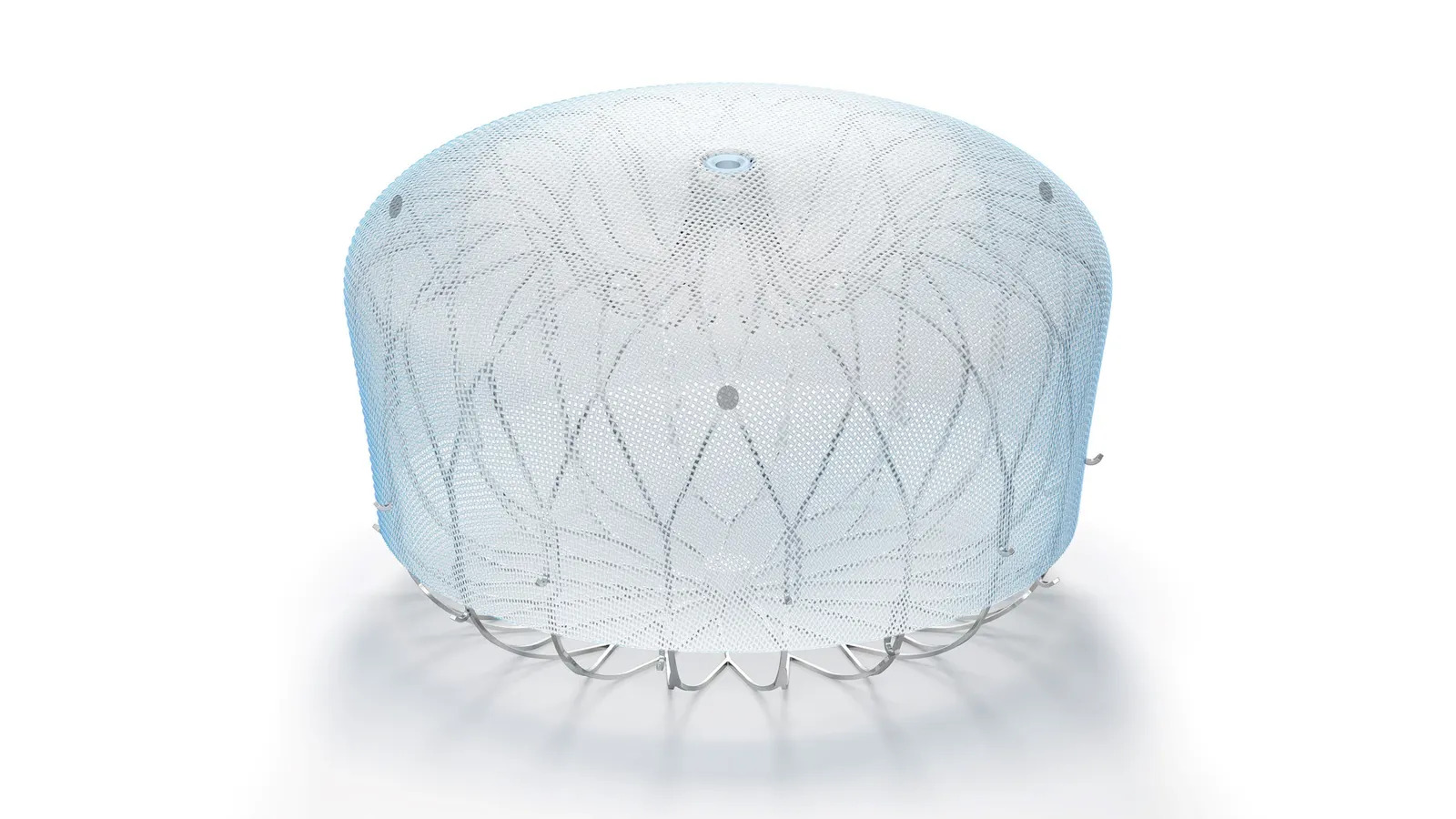
The company said it will seek an expanded indication for the left atrial appendage closure device after it met all safety and efficacy goals in the closely watched CHAMPION-AF study.
The Watchman device is currently approved by the Food and Drug Administration for use in patients with atrial fibrillation who cannot take long-term anticoagulants due to a high risk of bleeding.
The implant permanently closes off the left atrial appendage, a small pouch where blood can pool and form clots that can travel from the heart and block an artery.
The study, funded by Boston Scientific, demonstrated that Watchman was superior to non-vitamin K antagonist oral anticoagulants for protection from bleeding. Patients who received medical therapy had almost twice the rate of bleeding events, at 19%, compared with 10.9% for those in the left atrial appendage closure group.
“This is an important finding because we studied people who we thought were good candidates for blood thinners — they are not contraindicated for long-term anticoagulation and they have low bleeding risk — and in spite of that, they had increased bleeding over time,” Saibal Kar, co-principal investigator of the study, said in a statement.
Kar noted the data also showed a slightly higher number of ischemic strokes among people in the left atrial appendage closure group (3.2%), compared with those who received medical therapy (2%). “This is something we will look at again at five years,” Kar said.
Truist Securities analyst Richard Newitter, in a note to clients on Sunday, said the higher stroke rate among patients in the LAAC arm sparked debate among doctors at the meeting, but their feedback overall points to increased use of Watchman.
Watchman FLX Pro, approved in the U.S. in 2023, is the latest generation of the Boston Scientific LAAC device, which received initial FDA approval in 2015.
“The success of the landmark CHAMPION-AF trial represents a meaningful milestone that will undoubtedly transform the treatment approach to stroke risk reduction in a broader population of patients who historically have needed to rely on medication,” study co-chair Martin Leon said in a statement.

Share on Facebook

Share on X

Share on Pinterest
Comment(s)
Recent Posts
-
Gonioscopy Lens Buying Guide: Direct, Indirect, and the Mirrors That Matter
 June 30, 2026
 -
Fetal Doppler Guide: Clinical vs Over-the-Counter Use
 June 30, 2026
 -
Eye Occluder Buying Guide: Solid Occlusion vs the Pinhole Test
 June 30, 2026
 -
EMT Bag Contents Checklist: What to Stock, by Category
 June 30, 2026
 -
Exam Glove Sizing and Selection Guide for Healthcare Settings
 June 12, 2026